
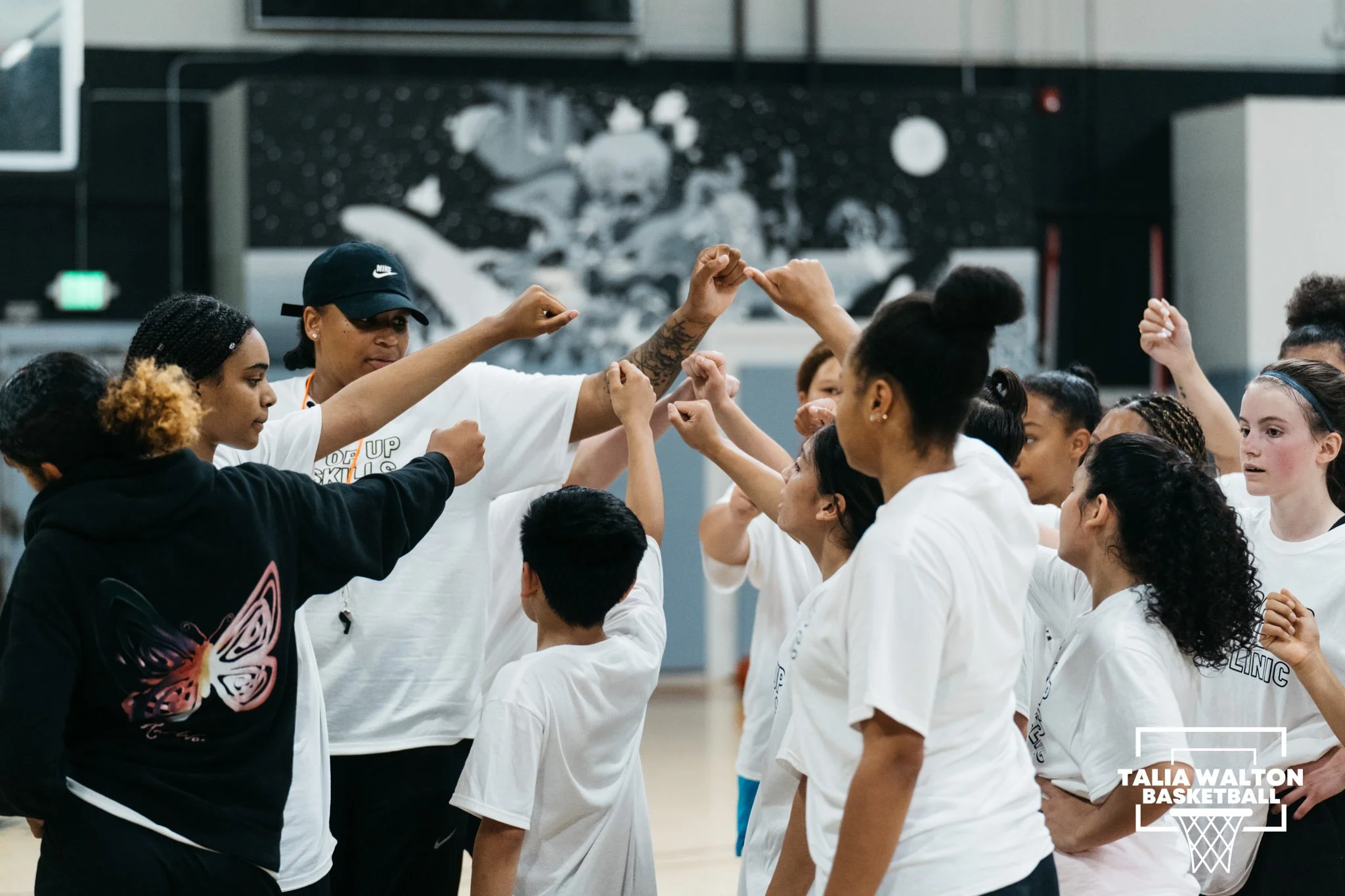
2026 Seasonal Training Blocks
WHAT ARE SEASONAL TRAINING BLOCKS?
Seasonal training blocks are focused training periods aligned with the basketball calendar. Each block has a clear purpose, start date, and end date, allowing athletes to train with intention rather than jumping in and out of sessions year-round.
LBA operates three (3) training blocks annually:
In-Season Maintenance (January–March)
Supports athletes during their competitive school season by offering low-impact group sessions that focuses on maintaining skill, confidence, and decision-making while also prioritizing recovery and injury-prevention.Summer Prep (May–June)
Focuses on skill development, conditioning, and competitive growth as we prepare for the AAU season and next-level exposure.Pre-Season Training (September–October)
Focuses on game readiness, conditioning, and role preparation so athletes enter the school season confident and prepared.
Each block builds on the previous one, creating continuity rather than fragmentation.
WHY WE TRAIN THIS WAY
We believe the best results come from consistency and progression, not sporadic workouts or year-round drop-in training.
Seasonal training blocks allow athletes to:
Commit to a defined training window
Build skills progressively over time
Recover mentally and physically between phases
Apply what they learn directly to competition
This structure mirrors how teams train at higher levels and helps athletes avoid burnout while still improving over time.
HOW THIS BENEFITS ATHLETES
Training in seasonal blocks helps athletes:
Develop stronger fundamentals through repetition and progression
Gain confidence from consistent coaching and expectations
Improve decision-making through game-like, purposeful reps
Understand why they are training, not just how
Instead of chasing constant workouts, athletes learn to train with focus and intent.
HOW THIS BENEFITS FAMILIES
For families, seasonal training provides:
Predictable schedules and clear timelines
Transparent expectations and commitment windows
A professional, organized development model
Fewer scheduling conflicts and less pressure year-round
Families can plan ahead and clearly understand how training fits into their athlete’s overall development.